

We’ve made real progress in reducing stigma around mental health. But too often, we still wait until something is broken before we act.
It’s not a personal failing - it’s a systems habit. We’re still oriented toward treatment instead of prevention. The good news is that mental wellbeing isn’t something we have to wait to “fix.” It’s something we can build every day.
As many of us reflect on how we want to show up in 2026, here are three wellbeing shifts I hope become everyday habits — because generational change in mental health starts with each of us.
1. Mental fitness as a daily practice, not a last resort
One shift I’m optimistic about is moving away from quick fixes toward mental fitness as a lifelong practice.
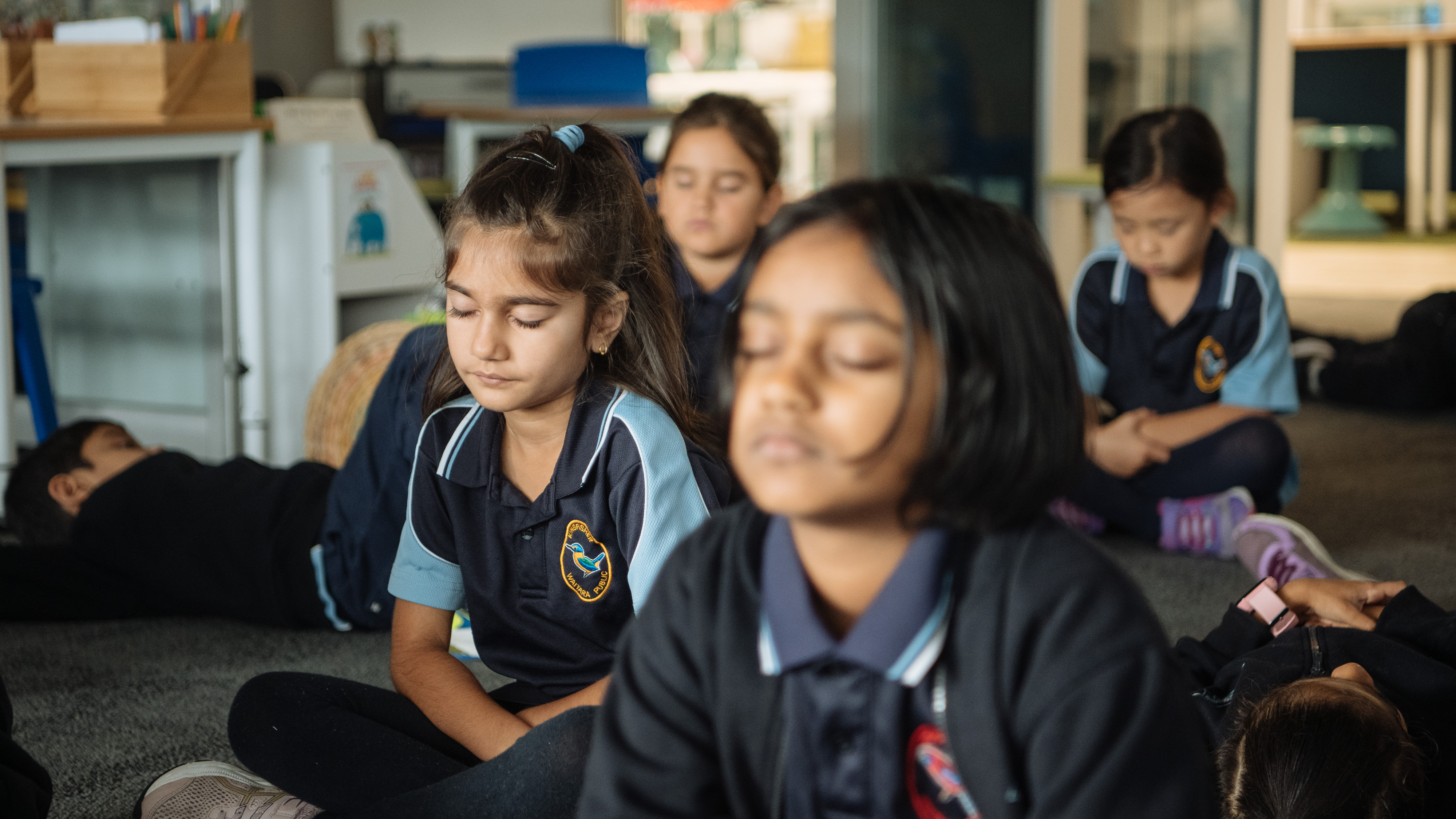
Mental fitness is our capacity to navigate life’s challenges day to day. It’s not about eliminating stress or always feeling good - it’s about building the skills that help us adapt, recover, and keep going when things feel hard.
Like physical fitness, mental fitness isn’t about perfection. It’s built through regular, achievable practice: noticing emotions, managing stress, developing attention, emotional regulation, and self-compassion. Small actions, done consistently, compound over time.
What’s encouraging is the growing recognition that mental wellbeing isn’t optional - it’s foundational health. This matters even more as barriers like cost, long waitlists, and uncertainty about where to find support remain real challenges.
Accessible, evidence-based prevention tools allow people to build mental fitness anytime, anywhere (the earlier in life the better!) without adding pressure or “one more thing” to already busy lives. When these skills are developed early and reinforced at home and school, they don’t just support individuals. They create a shared foundation for family and community resilience.
2. The rise of whole-family mental wellbeing
A child’s mental health can’t be separated from their parents’ mental health.
When parents are overwhelmed or depleted, children feel it. Supporting parents is one of the most effective ways to support children. When caregivers prioritise their own mental fitness - and help children build those same skills early - the benefits flow across the whole family.
Smiling Mind’s latest State of Mind research shows that when caregiver mental health suffers, children’s mental health and development are directly impacted. This isn’t just about stress - though 70% of parents and caregivers report experiencing disproportionately high levels of it.
What’s finally being recognised is mental load: the constant, cumulative cognitive and emotional labour carried by caregivers. Driven by unpaid care, invisible work, and ongoing responsibility, mental load is a real and measurable health issue - and one that too often goes unsupported. (Side note - Check out our latest pathway in our free app to support caregivers!)
In 2026, I hope we see growing demand for tools that help parents manage mental load, not just recover from it.
3. Community as a health strategy
Mental health isn’t something we can nurture alone.
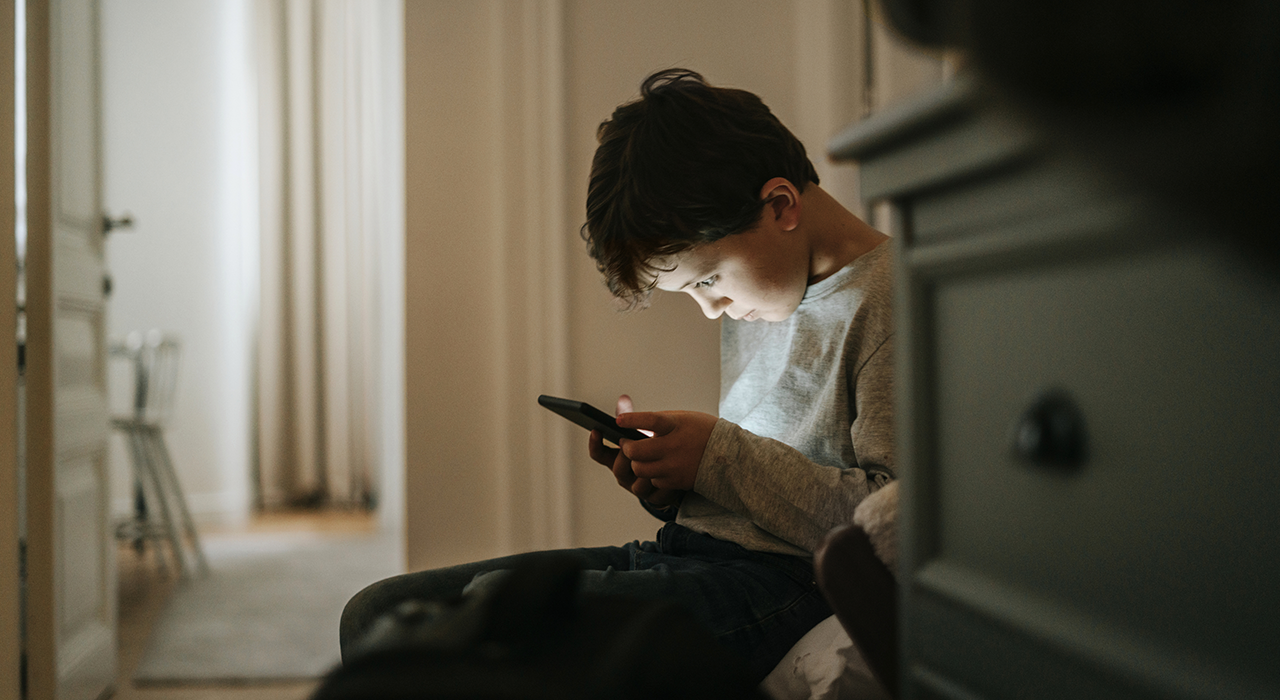
Social connection is one of the strongest protective factors for wellbeing, yet loneliness and isolation increasingly shape modern life - particularly for parents, caregivers, and young people.
If we want better mental health outcomes for children, we must better support the adults and environments around them. When caregivers feel connected and equipped, children show stronger social and emotional development.
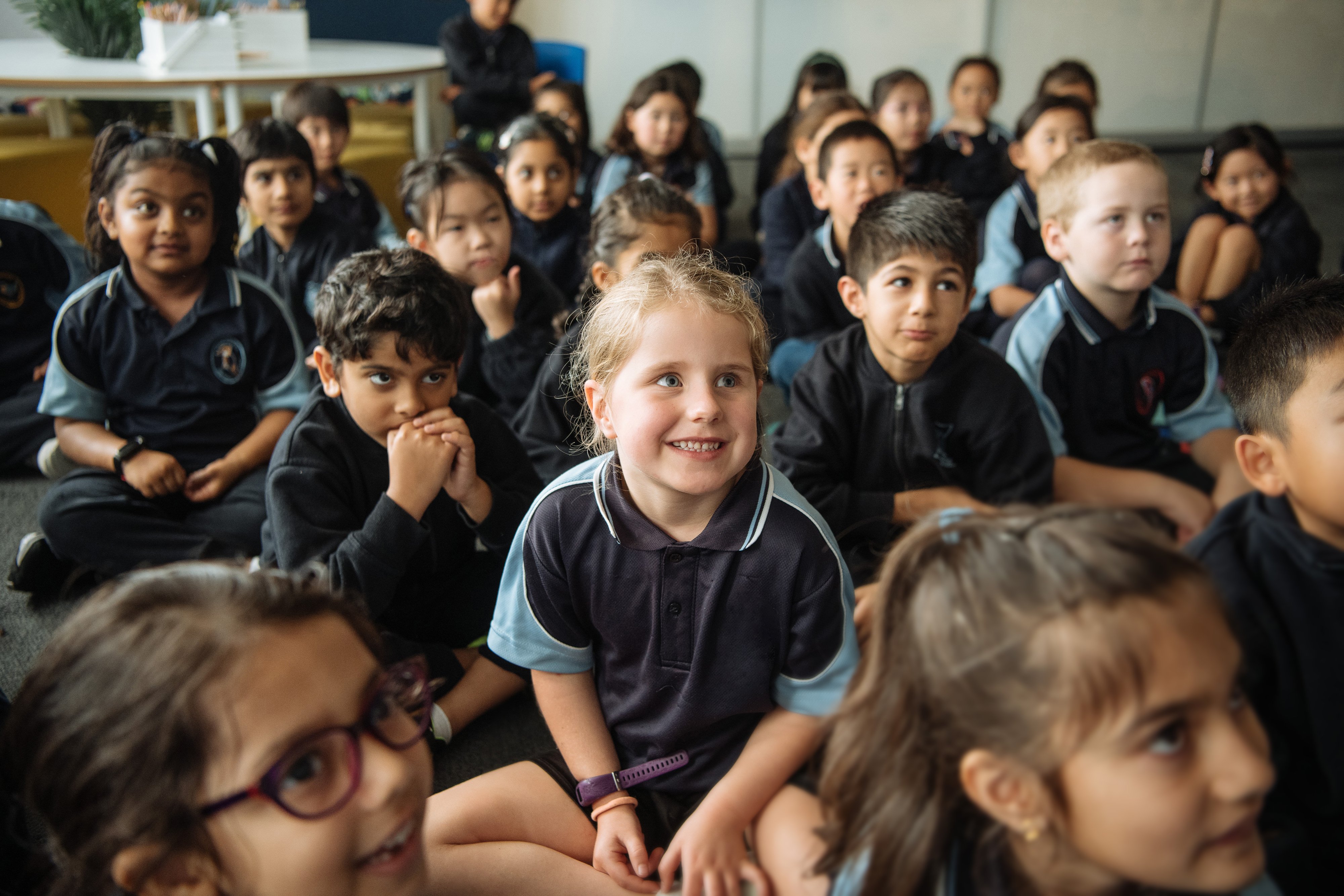
Real change happens when communities build mental fitness together - through open conversations, shared initiatives, and everyday acts of care like checking in, listening, and celebrating effort. Generational change isn’t driven by individual effort alone; it’s created when we build the conditions for connection and support whole communities to thrive.
Let’s create generational change in mental health — together

Mental health isn’t something we can afford to only fix when it breaks. It’s something we build - together, over time. When mental fitness becomes part of daily life, the impact ripples outward - shaping families, classrooms, and entire communities. That’s a future worth investing in.
If you’re looking for a place to start, the free Smiling Mind App offers accessible, evidence-based tools to build mental fitness skills for everyday life.
/Imagery/Icons,%20Animations,%20Other%20Design/Icons%20Import%20-%2015%20Nov%202021/Download%20Buttons/App%20Store%20icon.png?width=171&height=48&name=App%20Store%20icon.png)
/Imagery/Icons,%20Animations,%20Other%20Design/Icons%20Import%20-%2015%20Nov%202021/Download%20Buttons/Google%20Play%20icon.png?width=170&height=48&name=Google%20Play%20icon.png)











.jpg)